Ask a founder where customers find their product and most will name the shelf, the marketplace, or the website. Ask their customers and you’ll hear a different story: a video, a comment thread, a creator they trust. The first meeting moved, and a lot of brand budgets haven’t noticed.
The Quick Version: Product discovery now starts in the feed for a growing share of buyers, especially under 35, where social ads are the number one discovery source. The retail shelf hasn’t lost its job, but its job changed: it confirms decisions social already shaped. Brands should design packaging, content, and storefronts feed-first.
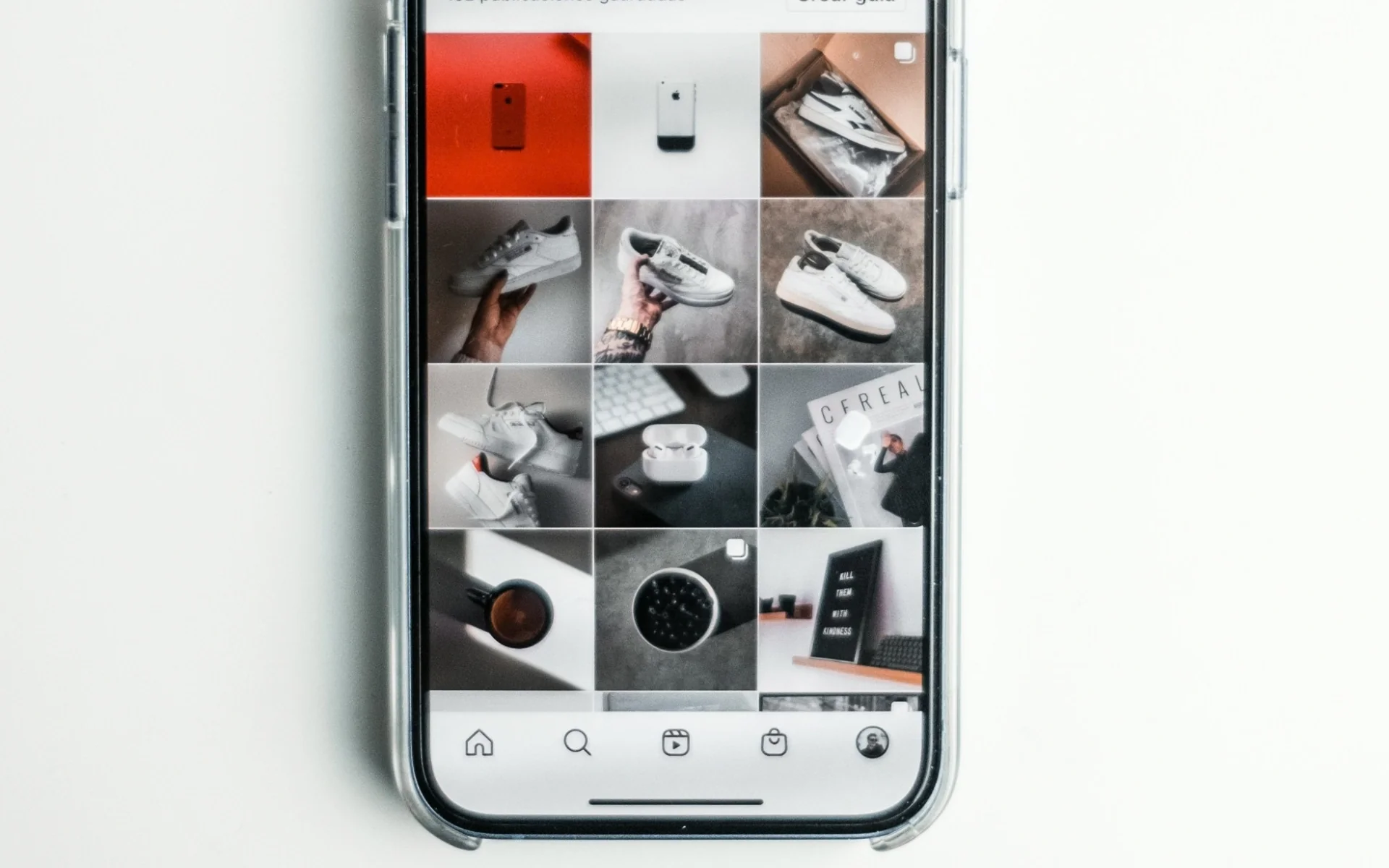
The data backs the shift without overstating it. According to DataReportal’s Digital 2025 research, the typical internet user discovers brands through nearly six different sources, and no single channel reaches more than a third of consumers. Search still leads overall. But social media ads are the fastest-growing discovery source, up a relative 11.7 percent in two years, and they’re already the number one source for consumers aged 16 to 34. If your buyer is under 35, the feed is statistically your first shelf.
We see the practical version of this constantly with CPG and wellness brands: conversion data showing customers who arrive at retail already decided, having met the product on TikTok or Instagram weeks earlier. The founders often believe the shelf did the selling. The feed did. The shelf confirmed.
Discovery Moved Upstream, and the Shelf Changed Jobs
Traditional retail discovery worked by interruption: a shopper walking an aisle encounters something new at eye level. Social discovery works by introduction: a creator demonstrates the product inside a life that resembles the buyer’s. The second encounter carries more context, more proof, and more trust than any facing on a shelf.
This doesn’t make retail irrelevant. It makes retail sequential. The shelf now functions as the confirmation layer, the place where a product the buyer half-knows becomes legitimate and convenient. We mapped how these layers work together in Where Customers Meet Your Product First, and the short version holds: social creates the opinion, retail confirms it, and packaging has to perform in both rooms.
There’s a second shift layered on top: discovery inside social platforms is increasingly search-driven, with buyers using TikTok and Instagram the way they once used Google. That behavior change, and what it means for captions and keywords, is covered in How Social Search Is Changing Content Discovery in 2026.
What Feed-First Actually Changes
Packaging gets designed at thumbnail size. Before a package wins at arm’s length it has to win at 60 pixels: a name that reads small, a color block or silhouette that survives compression, one claim instead of five. If the front panel needs to be explained, the feed will scroll past it. This connects directly to retail readiness, which we broke down in Brand-Ready vs. Retail-Ready: Why CPG Launches Stall.
Content becomes the aisle. The discovery moment is a demo, a routine, an unboxing, a before-and-after. Brands that only post announcements are standing in the aisle with the lights off. The working ratio favors content that shows the product inside a real life over content that talks about the brand.
Proof moves to the surface. In a store, trust comes from the retailer’s curation. In the feed, it comes from visible evidence: comments answered, reviews on the storefront, creators who would plausibly use the product. Discovery without visible proof creates awareness that never converts.
Measurement shifts from placement to encounter. The question stops being “how many doors” and becomes “how many qualified first encounters, and what happens after them.” Watch discovery-attributed sessions, follower-to-customer rate, and branded search lift after creator flights. Those numbers tell you whether the feed is doing its new job.
The Founder Trap in All of This
The most common miss here is a version of what we call Founder Signal vs Brand Signal: the founder experiences their own brand through the website and the shelf, so they invest there, while their actual customer’s first encounter happens somewhere the founder rarely looks. The budget follows the founder’s experience instead of the buyer’s.
The fix is unglamorous: trace ten real customers backward to their first encounter with the product, then fund that encounter properly. For most brands under a certain age, that trail ends in a feed.
Most categories still treat social as the place demand gets harvested. The next advantage belongs to brands that treat it as the place demand gets created, and design every downstream surface to agree with that first impression.
If you’re not sure where your buyers actually meet you first, or your packaging was designed for a shelf your customer visits second, that’s exactly the kind of gap a Brand Jump is built to surface. One session, and you’ll know where the first impression actually happens and whether it’s working for you.