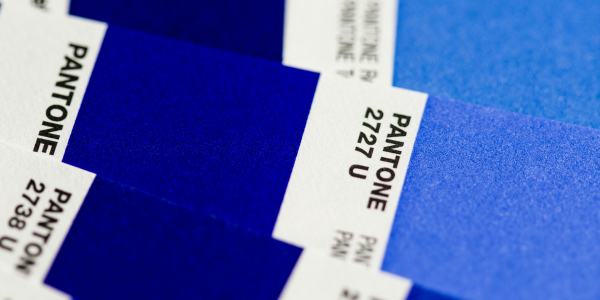
Your packaging is talking about you before you get a chance to.
On shelf, it has roughly three seconds. On screen, less than two. On social, it’s one thumb-swipe from gone. And yet, most founders treat packaging like the last checkbox before launch. Pick a color. Approve a mockup. Ship it.
That sequence is backwards. And it’s costing brands more than they realize.
Packaging isn’t a container. It’s your brand’s opening argument. It communicates pricing justification, trust, taste level, and target customer in a single glance. Get it right and it sells silently. Get it wrong and no amount of ad spend fixes the gap.
The Shelf-Screen-Scroll Problem
Here’s what makes packaging strategy genuinely difficult in 2026: your packaging has to perform in three completely different environments at the same time.
On a physical shelf, it needs to interrupt a wall of competitors through color, shape, and hierarchy. On a digital product page, it has to photograph well as a tiny thumbnail and communicate value without touch or texture. On social, it needs to be visually distinctive enough to stop a scroll and interesting enough to earn a screenshot or share.
Most packaging is designed for one of these environments and then forced into the other two. That’s where the breakdown happens. A muted, sophisticated label that reads beautifully at eye level in Erewhon can disappear entirely on a Shopify product grid. A loud, graphic-heavy pouch that pops on Instagram can feel chaotic next to quieter competitors on shelf.
The brands getting this right are designing with all three contexts from the start. They’re testing thumbnails before finalizing shelf layouts. They’re considering how their packaging photographs flat, in-hand, and mid-unbox. They’re treating packaging as a system, not a single deliverable.
We call this the Shelf-Screen-Scroll Triangle, and it’s becoming one of the most important strategic filters for any CPG or DTC brand making packaging decisions right now.
Packaging as a Trust Signal
Research consistently shows that up to 90% of initial product assessments are based on color alone, and design-driven packaging can increase brand recognition by as much as 80%. But trust goes deeper than recognition.
In wellness, beauty, and better-for-you categories, packaging is the fastest credibility check a customer runs. Before they read a single ingredient, they’ve already made a judgment about quality, efficacy, and price appropriateness based on what they see.
Clean hierarchy, intentional typography, and strategic white space signal premium. Cluttered layouts, inconsistent type systems, and over-decorated surfaces signal discount. This isn’t subjective opinion. It’s pattern recognition that consumers perform unconsciously, thousands of times a year.
The question isn’t whether your packaging looks good. It’s whether your packaging communicates what your pricing promises.
A $48 face serum in a bottle that reads like a $12 drugstore product has a conversion problem that no landing page can solve. A $6 snack bar in packaging that communicates $14 artisan quality has a different problem: customers who feel deceived at checkout.
Packaging and price have to tell the same story. When they don’t, trust breaks before the product ever gets a chance to perform.
The Social Packaging Test
This is the layer most brands still miss entirely. Your packaging now lives in screenshots, flat lays, unboxing videos, and shelfie posts. It shows up in TikTok hauls, Instagram Stories, and Pinterest boards. Every one of these contexts is a brand impression happening without your permission or control.
Brands that understand this are designing what we call social-native packaging. Features that make the product inherently shareable without relying on influencer partnerships or paid placements. Think about what makes someone photograph a product unprompted: distinctive color, interesting texture, a clever detail, an unexpected shape, copy that makes them smile.
As we explored in our breakdown of how social, packaging, and retail drive sales together, the brands winning in 2026 aren’t separating their packaging strategy from their social strategy. They’re treating every package as a potential content asset.
This doesn’t mean making packaging louder. It means making it more intentional. A single, well-placed design detail that photographs beautifully can generate more organic reach than a month of scheduled posts.
Why Most Packaging Redesigns Fail
Here’s a pattern we see repeatedly in client work: a brand decides their packaging needs a refresh. They hire a designer. They get options. They pick the one that feels right. They launch it.
Six months later, conversion is flat or down. Social engagement hasn’t changed. The founder is confused because the new packaging objectively looks better.
The issue is almost always the same. The redesign solved an aesthetic problem when the real problem was strategic. It addressed how the packaging looked without examining what it needed to communicate, to whom, and in which context.
Before touching a single color palette or typeface, the strategic questions that matter are: Who is picking this up (or clicking on it), and what do they need to believe within three seconds? What shelf, screen, or feed does this sit in, and what surrounds it? Does the packaging justify the price point immediately? Is there a single, ownable visual element that creates recognition across contexts?
These are positioning questions dressed in visual language. Which is why, as we’ve written about in our piece on pricing strategy that respects your brand, the best packaging decisions come from strategy conversations, not design presentations.
What Founders Should Audit Right Now
If you’re a CPG, wellness, or e-commerce founder reading this, here’s a practical diagnostic you can run on your current packaging this week:
The Thumbnail Test. Shrink your product image to the size it appears on a Shopify collection page or Amazon search result. Can you still read the brand name? Can you tell what the product is? Does it still look premium? If not, your digital shelf presence is weaker than you think.
The Scroll Test. Drop your packaging into a mock Instagram feed alongside five competitors. Does it stop you or blend? Would you screenshot it? Would you share it?
The Price Alignment Test. Show your packaging to someone unfamiliar with your brand. Ask them to guess the price. If their estimate is more than 20% off your actual price point, there’s a gap between what your packaging communicates and what your brand charges.
The Recognition Test. Remove your logo. Is there anything about your packaging that’s still distinctly yours? Color, pattern, shape, texture? If the answer is no, you have awareness without recognition, which is one of the most expensive branding problems to have.
These aren’t design exercises. They’re strategic diagnostics. And the answers will tell you more about your brand’s market position than most formal brand audits.
Packaging Strategy Is Brand Strategy
The deeper point here is one that gets lost in trend reports about sustainable materials and AI-generated mockups. Packaging decisions are brand decisions. They encode your positioning, your price architecture, your target customer, and your competitive differentiation into a physical (or digital) object that represents you thousands of times a day without supervision.
When brand color decisions are intentionally persuasive rather than simply attractive, conversion follows. When a packaging system is designed to flex across shelf, screen, and scroll, marketing efficiency improves. When the unboxing experience reinforces the same story as the ad that drove the purchase, retention climbs.
Packaging isn’t a creative task to check off before launch. It’s a strategic lever that compounds every other brand investment you make.
The founders who understand this tend to realize something else over time: the brands that consistently win shelf space, screen attention, and social shares aren’t spending more on packaging. They’re thinking about it earlier, more strategically, and more holistically than everyone around them.
If your packaging is the last decision you make before launch, it might be worth asking what would change if it were the first. That shift in sequence often reveals the positioning gaps that were invisible when packaging was treated as a production task.
If your packaging isn’t performing the way your brand deserves, that’s a strategy conversation we have with founders every week. JLAgency helps CPG, wellness, and e-commerce brands build packaging systems that sell across shelf, screen, and scroll. If you want a second set of eyes on your packaging strategy, we’d love to take a look.