Founders ask us about brand guidelines after one of three things happens. Someone on the team made an off-brand asset and nobody could explain why it was wrong. The brand stopped looking like itself across surfaces. Or an agency proposal landed with "brand guidelines" as a line item and the founder wasn’t sure whether to fund it.
So here’s the honest version. What brand guidelines actually do, when they’re worth building, and where founders most often pay for the wrong version.
The Quick Version: Brand guidelines are the operating system that lets a brand look like itself when you’re not in the room. Useful once there’s more than one decision-maker shipping work. Overbuilt before then. The investment pays off when the brand has consistent revenue, multiple surfaces, and contributors beyond the founder. Before that, guidelines are theatre.
This piece is for founders or operators who’ve been told they need guidelines and want to know whether that’s true (and what kind, at what depth, for what budget). We work with brands at every stage of this conversation, and the right answer depends almost entirely on what’s happening downstream of the brand.
What Brand Guidelines Actually Do
Brand guidelines are the document, deck, or system that tells someone making a creative decision what’s allowed and what isn’t. Logo usage. Color values. Typography rules. Photography direction. Voice and tone. Spacing and grid. The level of detail varies; the function is the same. Guidelines exist to keep the brand consistent across people, time, and surfaces.
A useful frame: guidelines are force multipliers. They let one creative call from the founder or creative director apply to a thousand downstream decisions made by people who weren’t in the room when the call was made. Without that compounding, every asset is a new conversation. The standard drifts.
McKinsey’s recent research on agentic AI in marketing notes that as AI agents take on more of the early creative work, human marketers are increasingly focused on tasks tied to qualitative factors like taste that aren’t prone to automation. That’s the future-state argument for guidelines: someone (or something) downstream is going to produce work fast, and the only thing standing between the brand and a thousand off-brand assets is a system that defines what "on-brand" actually is. Guidelines are how taste scales.
When Guidelines Are Worth Building (And When They Aren’t)
Three conditions, all roughly required, before guidelines pay for themselves.
There’s more than one decision-maker. If the founder is still making every creative call personally, guidelines don’t change much. The decisions are already in one head. Guidelines start to matter when a second designer joins, when a VA gets handed social, when an agency takes over content, or when retail buyers start needing brand templates.
There’s enough surface area to be inconsistent across. A single-product brand with one website and one Instagram account doesn’t need a forty-page brand book. A brand with a website, three product lines, packaging, paid creative, retail materials, and a sales deck does. Guidelines pay for themselves in proportion to the number of surfaces the brand has to hold up across.
The strategy underneath is settled. Guidelines codify decisions that have already been made. Building them on top of unsettled positioning means rebuilding them later when the positioning sharpens. The cheapest brand guidelines are the ones built once, on the right foundation.
When all three conditions are met, guidelines are one of the highest-return investments a brand can make. When they’re not, guidelines tend to be theatre: pretty documents that nobody opens, signaling that the founder did "real branding" without actually changing how decisions get made.
What’s Actually in a Real Brand Guidelines Document
A useful brand guidelines system covers four layers. The depth and polish vary by tier; the layers don’t.
Strategy layer. Positioning summary, audience description, brand promise, voice character. Not the full strategic foundation, but enough that someone using the guidelines understands why the visual rules exist. A guidelines doc without a strategy summary at the front is a graphic standards manual. Useful, but partial.
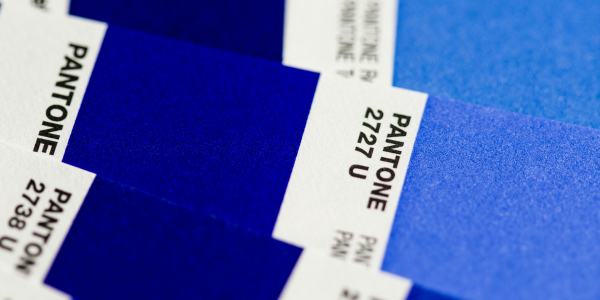
Identity layer. Logo system (primary, secondary, monochrome, clearspace, minimum size, misuse examples). Color palette with hex, RGB, CMYK, and Pantone values. Typography system (typefaces, weights, hierarchy, web fallbacks). The mechanical core.
Application layer. How the identity shows up in practice. Photography direction and reference. Iconography style. Layout grids. Email templates. Social templates. Packaging dielines. The application layer is where most guidelines documents quietly fail, because it’s the most expensive to build and the easiest to skip.
Voice layer. Tone, vocabulary, things to say, things to avoid. A short list of banned words and a longer list of preferred words. Sample sentences, ideally side-by-side good and bad examples. Voice is the part of brand guidelines that gets used the most by the most people, and it’s often the most under-documented.
Most "brand guidelines" we see in the wild are heavy on the identity layer (logo and color), light on application, and almost entirely missing voice. Which means the team has rules for the logo and no rules for the words around the logo. The brand sounds inconsistent even when it looks consistent.
The Real Tiers (And What Each One Buys You)
Like rebrand and branding pricing, guidelines sort into roughly four tiers.
Tier 1, Lightweight Brand Sheet ($0 to $500): One page. Logo files, color hexes, typeface, maybe a tone line. Built in Canva or Figma by the founder. Appropriate for very early brands with one or two contributors. Useful for stopping the worst inconsistency, not enough for scale.
Tier 2, Brand Standards Doc ($1,500 to $3,500): A 15-to-30-page document covering identity, basic applications, light voice. Built by a junior or mid-tier designer. Right for early brands with growing complexity. The most common purchase point.
Tier 3, Full Brand Guidelines System ($3,500 to $10,000): A 40-to-80-page document plus templates. Strategy summary, identity, full application library, voice with examples, real-world misuse cases. Built by a boutique studio or agency, usually inside a broader identity engagement. This is the tier where guidelines start to actually compound across the team.
Tier 4, Brand Operating System ($10,000 to $30,000+): Living documentation, often web-based, with downloadable assets, version history, application templates, voice training for internal teams, and an audit cadence. Built for brands with national distribution, agency partnerships, retail rollouts, or growth-stage scale. Worth the spend when the cost of inconsistency is higher than the cost of the system.
Most brands buying guidelines for the first time should be in Tier 2 or 3. Tier 1 is right for pre-revenue brands; Tier 4 is right for brands big enough to feel the cost of drift in real numbers.
What Guidelines Don’t Solve (Even When They’re Good)
A trap we see often: founders fund a guidelines document and assume the brand will now stay on-brand by itself. It won’t. Guidelines are necessary, not sufficient.
What guidelines do well:
- Reduce decision fatigue for downstream contributors
- Speed up onboarding for new team members or agencies
- Create a shared reference point for brand decisions
- Make off-brand work easier to spot and correct
What guidelines don’t do, even at Tier 4:
- Fix weak positioning. The guidelines just codify what the brand is. If the brand is unclear, the guidelines are unclear.
- Replace creative direction. Someone still has to make the calls the guidelines don’t cover (which is most calls).
- Hold the standard automatically. Brand drift happens at the application layer, not the guidelines layer. A team can have great guidelines and still ship off-brand work if no one is checking.
- Compensate for a missing strategic leader. Guidelines amplify a creative director; they don’t replace one.
We had a VP of Brand and Content describe the part guidelines played inside a working engagement as "Systems, not chaos." That’s the right frame. Guidelines are part of the system. The rest of the system, the briefing process, the quality control layer, the approval flow, has to exist around them. A guidelines document on its own, with no system around it, mostly produces a PDF nobody opens.
How JLAgency Builds Guidelines
We build guidelines as part of a broader identity engagement, not as a standalone deliverable, because building guidelines without the strategic foundation underneath them is the version most likely to need redoing.
The structure:
- Brand Identity / Rebrand ($10,000 to $20,000): Includes a full guidelines system as part of the identity build. Logo, color, typography, applied work, and the guidelines doc that codifies all of it. Built on top of strategic positioning, not before it.
- Strategic Foundation ($7,500): Comes before the identity build. The positioning, messaging, and brand direction that the guidelines will eventually codify. Strategic Foundation alone doesn’t produce guidelines; it produces the substrate they’ll be built from.
- Brand Jump ($1,500): Diagnostic. Surfaces whether guidelines are actually the right next investment, or whether the underlying issue is positioning, voice, or team structure. Credits forward into a Strategic Foundation or identity engagement.
For brands that need a lighter version, we sometimes recommend a Creative On-Call retainer ($1,500 to $2,000/mo) where a senior partner reviews work against an existing identity instead of building a full new document. That works for brands where the guidelines exist but the team needs a senior reviewer to hold the standard.
How to Tell If You Need Them Right Now
A short diagnostic. Three yes answers means it’s probably time. One or zero means probably not yet.
- Is there at least one person besides you making creative decisions for the brand, weekly?
- Has the brand had to defend its identity in more than three contexts in the last six months (paid creative, retail, partnerships, agency briefs, internal team requests)?
- Has someone shipped an off-brand asset in the last quarter that took meaningful time to fix?
- Are you planning a launch, expansion, or rebrand in the next twelve months that will involve multiple internal or external contributors?
If yes to two or more, guidelines are probably worth funding. If yes to one, a Brand Standards Doc (Tier 2) is enough. If yes to all four, Tier 3 or 4 is where to be.
If you’re not sure where you sit, the Brand Jump is built for exactly this conversation. Real diagnosis, real numbers, no obligation past the diagnostic. Happy to dig in if any of this is landing.
Guidelines aren’t the brand. They’re the agreement about how the brand gets defended when the founder isn’t in the room. Worth funding when there’s enough downstream creative work to defend; worth skipping when there isn’t.