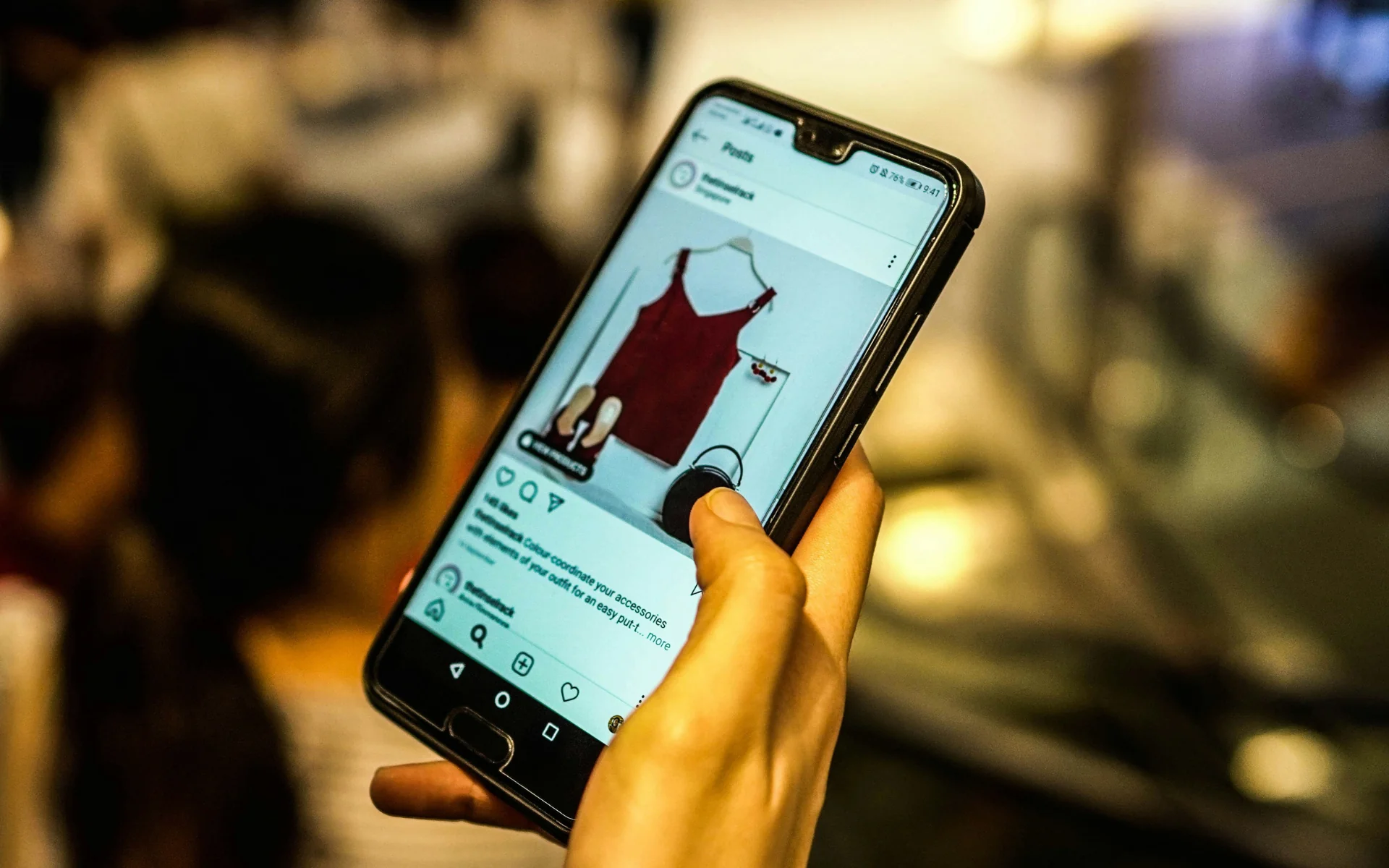
Somewhere in the last two years, the funnel quietly moved inside the feed. Your customer sees a product in a creator’s video, checks the reviews in the comments, asks a question by DM, and checks out without ever opening a browser. The store came to them.
The Quick Version: Social commerce in 2026 means discovery, evaluation, and checkout all happen inside the platform. US social commerce sales pass $100 billion this year, and over half of social buyers shop on TikTok. Brands win by treating storefronts as landing pages, creators as the new aisle, and native checkout as the default.
The scale makes this hard to dismiss. According to eMarketer’s US Social Commerce Forecast 2026, US social commerce sales surpass $100 billion for the first time this year, and more than half of US social buyers will shop on TikTok alone. That growth is concentrated in platforms that turn attention into action with built-in checkout, creator storefronts, and live shopping.
We work with wellness and CPG brands every week, and the pattern we keep seeing is a brand that posts beautifully but sells accidentally. The content performs, the storefront is an afterthought, and checkout lives three taps away on a website the platform actively discourages people from visiting. Social commerce rewards merchandising discipline, and most brands are still bringing a posting strategy to a retail fight.
The Funnel Collapsed, and That Changes the Job
The old model gave each channel one job. Social created awareness, the website converted, email retained. In 2026 a single TikTok video can do all three in ninety seconds, which means the platform has stopped being the top of your funnel and started being the whole funnel for a meaningful share of buyers.
This collapse changes what “good” looks like. A gorgeous feed that routes people to a slow product page now loses to an average feed with a tight storefront and native checkout, because every step you add sheds buyers. We wrote about this mechanic in Your TikTok Shop Isn’t A Storefront. It’s A Landing Page., and the principle extends to every platform: treat every in-app commerce surface with the same conversion discipline you’d apply to your best landing page.
Discovery has also become communal. Buyers trust the comment section more than the caption, and they treat creator demos as the new aisle walk. The brands converting well aren’t louder, they’re better witnessed: reviews visible, questions answered, creators showing the product in real life.
The Five Moves That Separate Sellers From Posters
Move one: make native checkout the default. For impulse-priced SKUs, checkout should happen inside the platform. Link-outs still have a place for high-consideration purchases and subscriptions, but defaulting to them taxes every transaction. Your website’s job shifts to retention, education, and repeat purchase.
Move two: merchandise the storefront like a landing page. Hero SKU first, bundles built for first-time buyers, titles written for the platform’s search bar, and imagery shot for thumb-stopping at thumbnail size. We covered the behavioral mechanics in TikTok Shop Isn’t Just Commerce. It’s Behavioral Design.
Move three: build a creator bench, not a campaign. One-off influencer posts are advertising. An affiliate bench of twenty small creators who genuinely use the product is distribution. The affiliate model means you pay on conversion, which makes this the rare channel where proof and economics point the same direction.
Move four: capture the conversation. Comments and DMs are purchase intent in plain text. Automated DM flows that answer sizing, ingredients, or shipping questions close buyers who would otherwise scroll on. Our breakdown of this system lives in Stop Sending People to Your Link in Bio.
Move five: design for the second purchase. Social commerce acquires efficiently but retains poorly if you let the relationship end at checkout. Post-purchase flows should move buyers onto owned channels, email and SMS, where margins live. The platforms rent you demand; your job is converting rented attention into owned relationships.
Community Is the Purchase Path, Not the Garnish
The community layer deserves its own line because it’s where most brands underinvest. Buyers in 2026 follow brands the way they follow people, and they buy inside relationships, not transactions. Answered comments, user-generated proof, live shopping events, and a recognizable voice all compound into something competitors can’t copy with media spend.
This is also where taste pays. Restraint, consistency, and a point of view make a storefront feel like a brand rather than a clearance rack. The brands that win the next phase of social commerce will look less like media buyers and more like merchants with excellent taste.
What to Measure When the Funnel Is One Screen
Old funnel metrics mislead here. Follower growth says little about commerce health. Watch storefront conversion rate, average order value on platform versus site, creator-attributed revenue share, DM-to-purchase rate, and the percentage of buyers who make a second purchase on an owned channel. Those five numbers tell you whether you’re building a channel or renting a spike.
Most brands will eventually get the mechanics right. The advantage goes to the ones who figure out, earlier than their category, which parts of the experience should never be delegated to the platform.
If your social presence is performing but your social revenue is not, the gap is usually structural, not creative. That’s a diagnosis we run inside a Brand Jump: where the purchase path leaks, and which of these five moves pays back first for your brand.